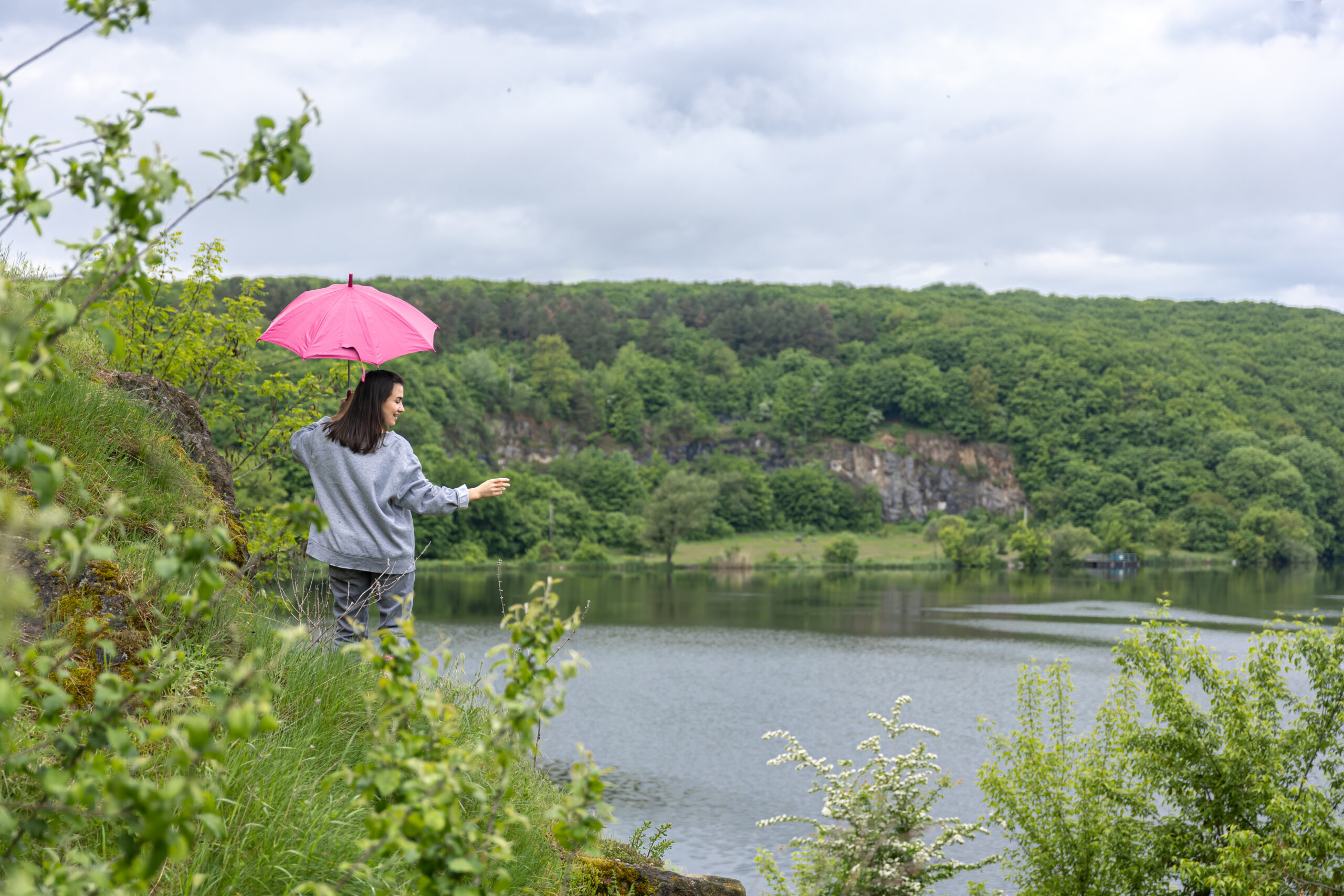
Why Monsoon Is Actually the Best Season to Trek in Karnataka
There’s a reason most people stay home when it rains. Wet shoes, unpredictable weather, leeches on the trail. None of it sounds particularly appealing on paper. But ask anyone who has stood on a misty ridge in the Western Ghats with clouds rolling in below their feet, and they’ll tell you something shifts. Monsoon trekking in Karnataka is not about tolerating the rain. It’s about understanding that the rain is the whole point.
The Western Ghats Come Alive Like No Other Time
Karnataka sits along one of the most biodiverse stretches of land on the planet. The Western Ghats, a UNESCO World Heritage Site, run right through the state and hold more varieties of flora and fauna than most people realise. But for most of the year, this landscape operates at a fraction of its potential. Come June, everything changes.
The forests go from dry and muted to fifty shades of green almost overnight. Waterfalls that barely trickle in February are roaring by July. Streams cut through trails. Meadows turn into carpets of wildflowers. Shola forests fill with the sound of birds that you simply won’t encounter in any other season. If you want to see Karnataka in its rawest, most alive form, monsoon trekking is the only answer.
Fewer Crowds, More Trail to Yourself
Most weekend trekkers from Bangalore plan their trips between October and February, which means the popular trails get busy. Skandagiri, Savandurga, Makalidurga see serious footfall during peak season. Monsoon flips that completely. The same trails that feel like crowded highways in November become quiet, almost private, by August.
This is one of the biggest underrated advantages of monsoon trekking in Karnataka. You get the trail to yourself. No queues at the summit. No noise except the rain and the forest. For people who trek to actually disconnect and find some quiet, monsoon delivers that in a way the peak season simply cannot.
The Waterfalls Alone Are Worth the Trip
Karnataka has some of the most spectacular waterfalls in South India, and nearly all of them peak during the monsoon. Hidlumane Falls on the way to Kodachadri, Barkana Falls near Agumbe, the cascades along the Kudremukh trail. These are not the same places in any other season. In October they are photogenic. In August they are powerful enough to make you stop and just stand there for a while.
Trails like Ballalarayana Durga are built for this exact experience. The combination of thick shola forests, open green meadows, and the sound of rain on centuries old fort walls makes for a trek that no post-monsoon trip can replicate.
Monsoon Trekking in Karnataka Is More Accessible Than You Think
A common assumption is that monsoon treks are only for experienced trekkers. That is not true. Karnataka has trails suited to every level, and many of the best monsoon experiences are beginner friendly. Mullayanagiri, the highest peak in Karnataka, is manageable even for first timers and the views during the rainy season are genuinely breathtaking. Tadiandamol in Coorg takes you through dense forests and misty meadows on a moderate trail that most people can complete without prior trekking experience.
The key is going with people who know the terrain. A good guide, the right footwear, and a small group make all the difference between a wet, miserable experience and one of the best trips you will ever take.
What Makes Monsoon Trekking Special Beyond the Scenery
There is something about trekking in the rain that strips everything back. No music, no phone signal on most trails, no distractions. Just the trail, the sound of water, and the people you are with. It forces a kind of presence that is genuinely difficult to find anywhere else.
The petrichor alone, that earthy scent that rises when rain hits dry soil, is something that Karnataka’s forests produce in abundance. Walking through a shola forest in the middle of a light drizzle, with mist sitting low over the hills, is the kind of thing people describe years later when they talk about why they started trekking in the first place.
Why Jalaparva Takes Monsoon Treks Seriously
At Jalaparva, monsoon season is not a gap in the calendar. It is one of the most active and exciting times of the year. The team organises carefully curated weekend treks through Karnataka’s most rewarding monsoon trails, with safety, co-traveller compatibility, and genuine local knowledge built into every trip.
Jalaparva was founded with a clear belief that Karnataka is no less than any other state when it comes to travel experiences worth having. The monsoon season proves that point better than any other time of year. These trails, these forests, these waterfalls exist right here in your own state, and most people never get around to experiencing them.
That changes the moment you decide to stop waiting for clear skies.
Monsoon Trek Safety Tips You Should Know
Good preparation makes monsoon trekking safe and enjoyable. A few things to keep in mind before you head out:
Wear trekking shoes with solid grip. Trails get slippery and the right footwear is non-negotiable. Carry a compact rain cover for your bag and a light waterproof jacket. Dress in quick-dry fabrics rather than cotton, which stays wet and heavy. Apply salt or tobacco to shoe edges to keep leeches out, or carry a small tube of salt. Start early on the trail to make the most of daylight. Always trek with a group or an experienced guide, especially on new trails.
These are not complicated precautions. They are simply the difference between a great monsoon trek and an avoidable bad experience.